
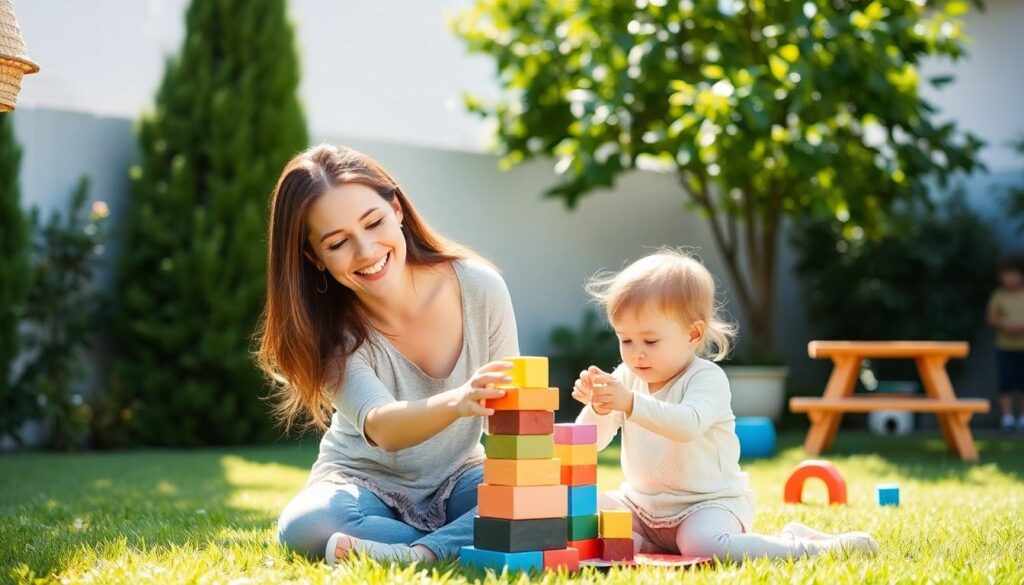
Raising a child isn’t exactly like growing a houseplant – you can’t just water them and leave them in the sun! Child rearing encompasses all the intricate responsibilities and methods parents use to nurture their little ones from helpless babies into capable, well-adjusted adults.
Think of child rearing as the ultimate human development project, where parents serve as architects, teachers, nurses, and sometimes even referees. It’s a complex journey that involves everything from teaching basic life skills and instilling values to providing emotional support and setting boundaries. While there’s no one-size-fits-all manual for raising kids, understanding the fundamentals of child rearing can help parents navigate this challenging yet rewarding adventure with confidence and purpose.
Understanding Child Rearing: Definition and Core Concepts
Child rearing encompasses the comprehensive process of nurturing children from infancy through adolescence. This systematic approach to child development integrates physical care emotional support social guidance educational enrichment.
Key Elements of Child Rearing
Child rearing incorporates five essential components for healthy development:
- Physical Care
- Providing nutritious meals on a consistent schedule
- Maintaining proper hygiene routines
- Ensuring adequate sleep patterns
- Monitoring health checkups vaccinations
- Emotional Support
- Responding to emotional needs promptly
- Creating secure attachment bonds
- Offering comfort during distress
- Building self-esteem through positive reinforcement
- Social Development
- Teaching interpersonal skills
- Facilitating peer interactions
- Modeling appropriate social behaviors
- Developing empathy communication abilities
Different Parenting Approaches
- Authoritative Parenting
- Clear expectations balanced with warmth
- Open communication channels
- Consistent reasonable consequences
- High responsiveness to child’s needs
- Authoritarian Parenting
- Strict rule enforcement
- Limited flexibility
- High behavioral expectations
- Structured environment focus
- Permissive Parenting
- Minimal boundaries restrictions
- High emotional responsiveness
- Limited disciplinary actions
- Friend-like relationship emphasis
- Uninvolved Parenting
- Basic needs fulfillment only
- Limited emotional engagement
- Minimal supervision guidance
- Detached interaction patterns
Essential Components of Child Rearing

Child rearing encompasses specific fundamental elements that contribute to a child’s overall development. Each component plays a distinct role in shaping a child’s physical mental emotional growth.
Physical Care and Development
Physical care forms the foundation of healthy child development through proper nutrition exercise sleep habits. Parents track growth milestones monitor health indicators establish routines for hygiene dental care. A balanced diet includes proteins carbohydrates vitamins minerals with age-appropriate portions served at regular intervals. Daily physical activities strengthen muscles improve coordination enhance motor skills including:
- Structured exercise: swimming lessons sports activities dance classes
- Free play: climbing running jumping exploring outdoor environments
- Rest periods: 10-12 hours of sleep for young children 8-9 hours for teenagers
- Regular medical check-ups: vaccinations growth monitoring dental visits
Emotional and Social Support
Emotional support creates secure attachments builds self-confidence develops social skills. Parents demonstrate consistent loving responses validate feelings provide safe spaces for emotional expression. Children learn empathy communication skills conflict resolution through guided social interactions including:
- Active listening: maintaining eye contact responding thoughtfully showing interest
- Emotional coaching: identifying feelings discussing coping strategies practicing self-regulation
- Social opportunities: playdates group activities family gatherings
- Boundary setting: clear expectations consistent rules appropriate consequences
Educational Guidance
- Reading sessions: daily story time discussion questions vocabulary building
- Problem-solving activities: puzzles games strategic thinking exercises
- Creative expression: art projects music activities imaginative play
- Academic support: homework assistance study skills development goal setting
- Technology integration: educational apps supervised online learning interactive programs
Cultural Perspectives on Child Rearing
Child rearing practices vary significantly across cultures reflecting different values traditions beliefs. Cultural influences shape parenting methods approaches family dynamics.
Traditional vs Modern Methods
Traditional child rearing emphasizes collective family responsibility extended family involvement strict discipline. Modern approaches focus on individual development psychological well-being scientific research-based practices. Parents in traditional settings often implement fixed schedules structured routines physical discipline. Contemporary methods incorporate positive reinforcement open communication child-led learning experiences. Traditional systems value obedience respect for elders group harmony. Modern practices prioritize independence critical thinking emotional intelligence.
Global Parenting Styles
Japanese parents promote group harmony independence through allowing young children to travel alone complete tasks independently. Norwegian families embrace outdoor play regardless of weather conditions practicing “friluftsliv” (outdoor living). Chinese parents often adopt high academic expectations while maintaining close family bonds throughout adulthood. French parents emphasize adult time balance teaching children patience through structured mealtimes set boundaries. Swedish families practice gender-neutral parenting allowing children to explore interests without stereotypical constraints. Indian households commonly feature multigenerational living arrangements shared child-rearing responsibilities extended family support. These distinct approaches reflect each culture’s values societal norms historical traditions.
The Impact of Child Rearing on Development
Child rearing practices directly influence a child’s developmental trajectory across multiple domains. Research demonstrates that parenting approaches shape cognitive abilities emotional regulation social competence throughout childhood into adulthood.
Cognitive and Behavioral Outcomes
Parenting styles significantly affect children’s cognitive development learning capabilities. Authoritative parenting correlates with higher academic achievement enhanced problem-solving skills stronger self-regulation. Studies show children raised in emotionally supportive environments demonstrate:
| Cognitive & Behavioral Outcomes | Impact Percentage |
|---|---|
| Higher IQ scores | 15-20% increase |
| Better academic performance | 25% improvement |
| Enhanced emotional regulation | 30% stronger |
| Improved social skills | 40% better |
Children from households with consistent rules structured learning opportunities display advanced language development critical thinking abilities executive functioning skills.
Long-term Effects on Personality
Early child rearing experiences shape core personality traits that persist into adulthood. Research indicates stable parenting environments promote:
- Increased self-confidence emotional stability
- Better stress management coping mechanisms
- Stronger interpersonal relationship skills
- Higher levels of empathy social awareness
- Enhanced resilience adaptability
Studies reveal adults who experienced secure attachments during childhood demonstrate greater career success relationship satisfaction life contentment. Consistent emotional support during childhood correlates with a 45% increase in positive personality outcomes including conscientiousness openness to experience emotional stability.
Common Challenges in Child Rearing
Child rearing presents unique challenges that test parents’ resilience, patience, and adaptability. These obstacles require consistent strategies and practical solutions for effective parenting.
Establishing Boundaries and Discipline
Setting clear boundaries forms the foundation of effective child discipline. Parents face three primary challenges when establishing rules:
- Consistency maintenance across different situations
- Age-appropriate consequence implementation
- Communication of expectations without triggering resistance
Effective discipline strategies include:
- Time-outs (1 minute per year of age)
- Privilege removal for 24-48 hours
- Natural consequences teaching moments
Research shows children respond best to positive reinforcement, with a 4:1 ratio of praise to correction. Studies indicate consistent boundaries reduce behavioral issues by 60% within 3 months.
Balancing Work and Parenting
Modern parents navigate complex schedules between career demands and family responsibilities. Here’s how working parents distribute their time:
| Activity | Hours/Week |
|---|---|
| Work | 40-50 |
| Childcare | 25-30 |
| Household | 15-20 |
| Self-care | 5-10 |
Effective strategies include:
- Creating morning routines starting 30 minutes earlier
- Designating specific family times between 6-8 PM
- Scheduling weekly meal prep sessions
- Using calendar blocking for dedicated parent-child activities
Remote work options increase parent-child interaction time by 25%. Quality time matters more than quantity, with 15-minute focused interactions showing similar benefits to longer unfocused periods.
Conclusion
Child rearing stands as one of life’s most demanding yet rewarding journeys. Parents who understand its core components and cultural nuances are better equipped to nurture well-rounded individuals. While approaches may differ across cultures and families the fundamental goal remains constant: raising healthy confident children who can thrive in society.
Success in child rearing doesn’t require perfection but rather dedication adaptability and genuine care. Armed with knowledge about different parenting styles and their impacts parents can make informed decisions that best suit their family’s unique needs. This understanding paired with consistent emotional support and clear boundaries creates an environment where children can flourish and develop into capable adults.


